









The Oleshky ceasefire is one of the most unexpected diplomatic moves of the Ukraine war: Russia and Ukraine have agreed to pause fighting around the occupied frontline city of Oleshky, in a deal brokered by US First Lady Melania Trump. The White House says fighting around the city will pause from 29 October so humanitarian aid can get in and civilians who want to leave can get out.
Table of Contents
Oleshky sits across the Dnipro River from Ukrainian-held Kherson and has been under Russian occupation since February 2022. What is left of it is desperate: the White House estimates only 1,700 to 2,000 people remain from a pre-war population of about 24,000, most of them elderly, along with roughly 50 children.
What Has Been Agreed?
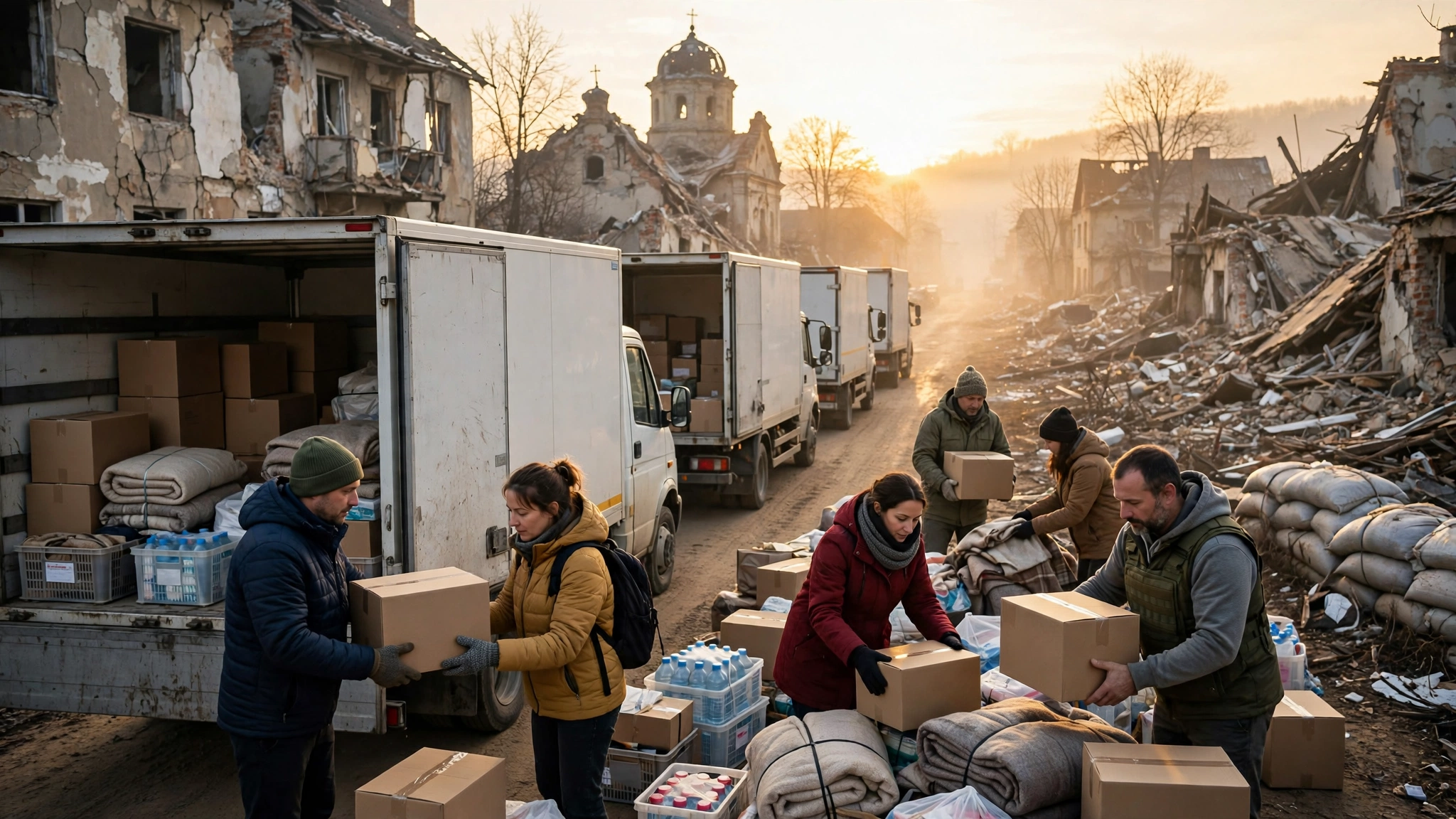
Under the deal, both armies will suspend operations in and around Oleshky while civilian — not military — representatives from both countries go door to door to assess what residents need. Anyone who wishes to evacuate will be given organised transport to the destination of their choice. As Melania Trump put it, some residents will want to go to Russia and some to Ukraine, and both options will be respected.
The first lady said it had become clear that, without outside intervention, bringing aid in and evacuating the elderly would be impossible. Her office says she acted as “Exclusive Intermediary,” aligning both sides on the operation’s objectives, timing and procedures. An American media organisation — reported to be Newsmax — will document the process.
The human stakes are hard to overstate. Around 90 percent of Oleshky was flooded after the destruction of the Kakhovka Dam in 2023, and Ukrainian officials say supply routes have been blocked, leaving residents short of food, medicine, clean water and electricity.
Rare Praise From Both Sides
In a war where agreement on anything is rare, the reaction stood out. Ukraine’s human rights ombudsman Dmytro Lubinets, who led the negotiations on the Ukrainian side, publicly thanked Melania Trump and her team for coordinating the effort. Senior Ukrainian negotiator David Arakhamia credited both the first lady and Pope Leo XIV, who last week phoned Russian President Vladimir Putin to express deep concern about the humanitarian situation in Oleshky.
The Kremlin also welcomed her involvement, and President Donald Trump told reporters the ceasefire was “her initiative” and that both sides wanted to do it. Russia’s human rights commissioner Yana Lantratova led the talks on the Russian side.
What the Oleshky Ceasefire Is — and Is Not
Nobody is pretending this ends the war. The arrangement is deliberately narrow: one city, one humanitarian operation, carried out gradually, as Lubinets himself warned when he called it extremely difficult to implement. Fighting elsewhere in Ukraine is untouched by the deal.
But for the roughly two thousand people still living in the ruins of Oleshky, a few quiet days could mean medicine, food — and, for those who choose it, a way out. Whether the guns actually stay silent from 29 October is the test that matters now.
What the Oleshky ceasefire means: fighting around Oleshky is due to pause from 29 October so that humanitarian aid can reach the roughly 1,700 to 2,000 people still in the city and civilians who wish to leave can do so; civilian teams from both sides will assess what residents need; and an American media organisation, reported to be Newsmax, will document the process. The deal does not end the war — it covers one city and one humanitarian operation — but for the people still living among the ruins, a few quiet days could mean food, medicine and a way out. Roz Khabar will follow whether the guns stay silent from 29 October.
Read More on Roz Khabar: