





The Serbia election result has delivered one of the biggest political shocks in Europe this year: the student-led opposition has defeated Aleksandar Vucic, ending his 14-year grip on power in the Balkan country. Vucic himself conceded defeat on Sunday night, telling supporters it was clear his party had lost.
Table of Contents
According to Vucic’s own projections, the youth-backed Students’ List will take between 135 and 140 seats in Serbia’s 250-seat parliament, while his Serbian Progressive Party (SNS) coalition will hold around 105. Independent projections from polling agencies Ipsos and CeSID put the Student List on about 52 percent of the vote, well ahead of the SNS-led coalition on 39.3 percent.
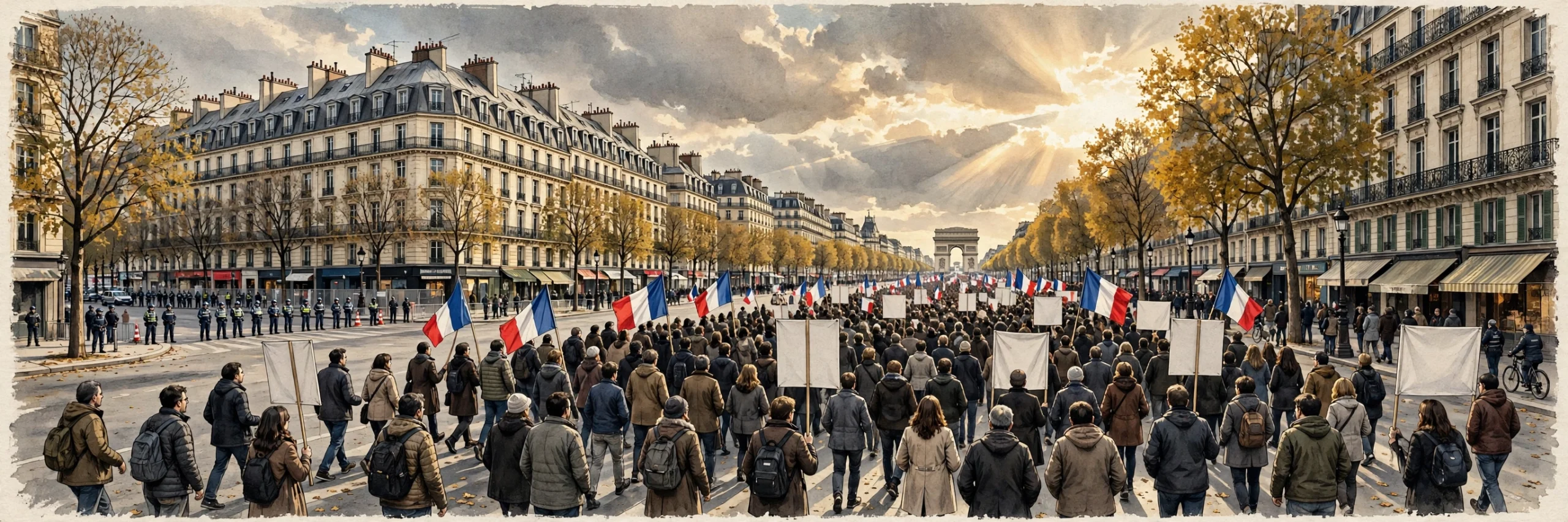
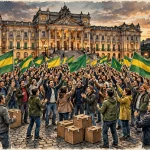
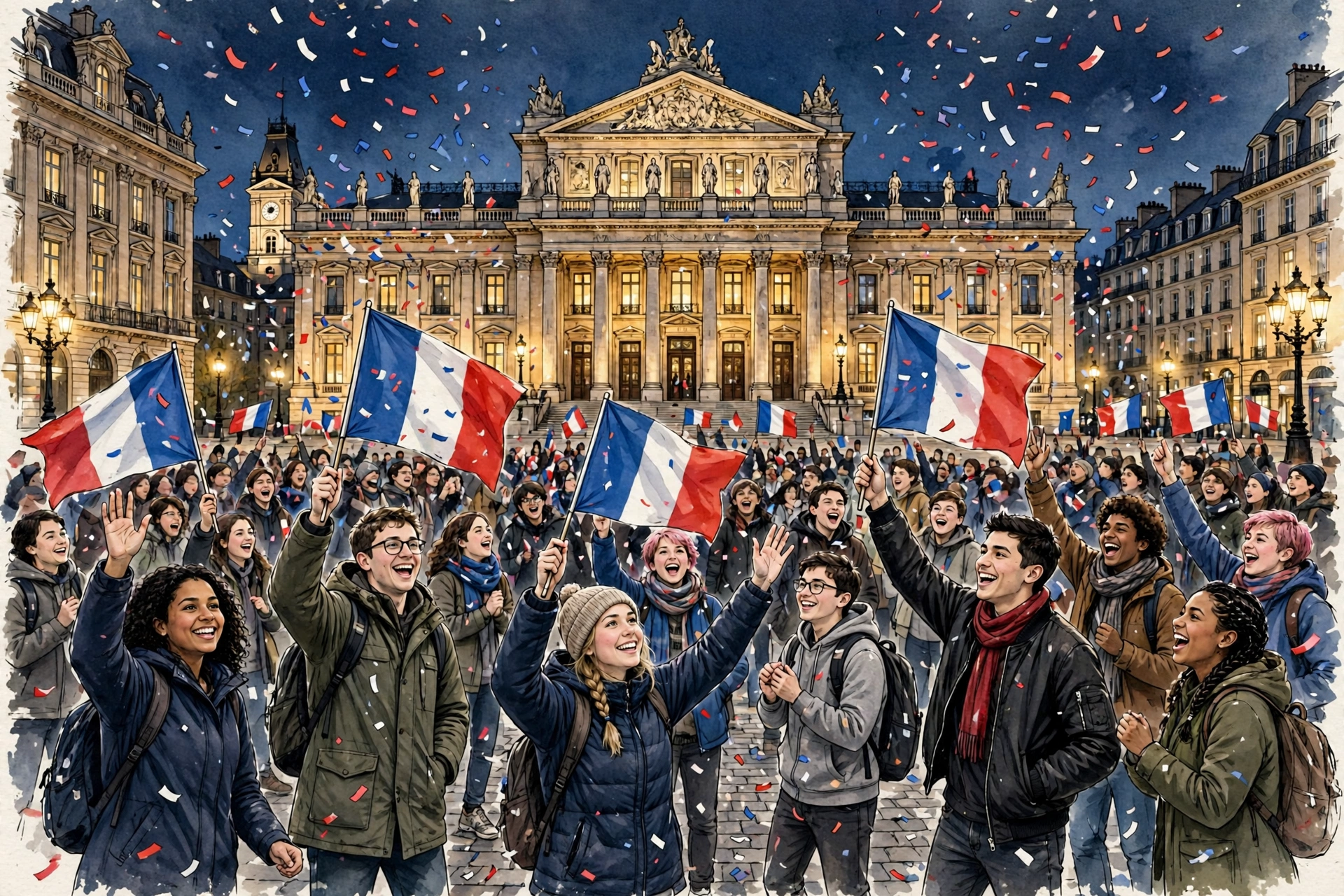
Within moments of the concession, the streets of Belgrade erupted. Tens of thousands of people filled the capital’s main boulevards, with cars honking, crowds dancing and students shouting “victory”. For many Serbians, the result felt like liberation after years of one-man dominance.
Serbia election result: how the students won
The Serbia election result did not come from nowhere. It grew out of almost two years of student-led protests against corruption and creeping authoritarianism, triggered by the deaths of 16 people when a train station canopy collapsed in Novi Sad in 2024.
That disaster stirred anger over alleged corruption, poor construction standards and a lack of accountability for public infrastructure. What began as university students staging blockades and marches soon drew in teachers, farmers and other sections of society, turning a demand for justice into the largest movement in Serbia since the fall of Slobodan Milosevic in 2000.
Vucic called snap elections in September after the long protest campaign, hoping to settle the question at the ballot box. He had dominated Serbian politics as prime minister or president since 2014, and he resigned from the presidency last month to lead his party’s campaign for parliament. Instead, voters used the election to end his rule.
“We are finally free”: celebrations in Belgrade
The celebrations told the story of the Serbia election result better than any statistic. Belgrade resident Dragana Kovacevic said she was thrilled that “everyone greets with smiles”, adding: “We are all too happy, finally we are becoming one normal and free country.”
Another resident, Maja Stetic, described Vucic’s ouster as liberation, saying it meant “a new future for us and our children”. Crowds also tore down fences and tents at a central park camp occupied by Vucic loyalists for more than a year.
At the Student List’s headquarters, Radomir Sajcic, a professor at Belgrade University, spoke on behalf of the students. “Dear Serbia, tonight the voice of the people is being heard,” he said. “Tonight we celebrate victory, tomorrow we build the future.” He called the win “a victory of courage over fear, a victory of hope over apathy”.
Vucic, in his concession speech, blamed Serbia’s independent media as well as alleged interference by unnamed European countries and what he called an “American deep state” for the loss. He had previously denounced the student movement as a foreign-led attempt to unseat him, and he was endorsed by Russian President Vladimir Putin. None of that stopped the result.
What the Serbia election result means for Europe
The Serbia election result matters far beyond Serbia’s borders. It follows the defeat of Hungary’s Viktor Orban in April, another long-serving populist leader, and it may offer a blueprint for student movements elsewhere in Europe that have taken to the streets in recent weeks over education standards and a lack of prospects.
For Serbia itself, the hard work starts now. The Students’ List is a diverse movement built around protest rather than a traditional party programme, and it must now form a government, agree on a prime minister and deliver on its promises of accountability and cleaner institutions. Its projected 135 to 140 seats give it a working majority, but governing will test a coalition born on the streets.
Above all, the Serbia election result shows how a tragedy, a protest movement and a ballot box can combine to end an era. Two years ago, students were blockading campuses over a collapsed canopy in Novi Sad. On Sunday night, they were celebrating in Belgrade as the winners of a parliamentary election — and the man who had ruled Serbia for 14 years was conceding defeat on television.
Read More on Roz Khabar: