










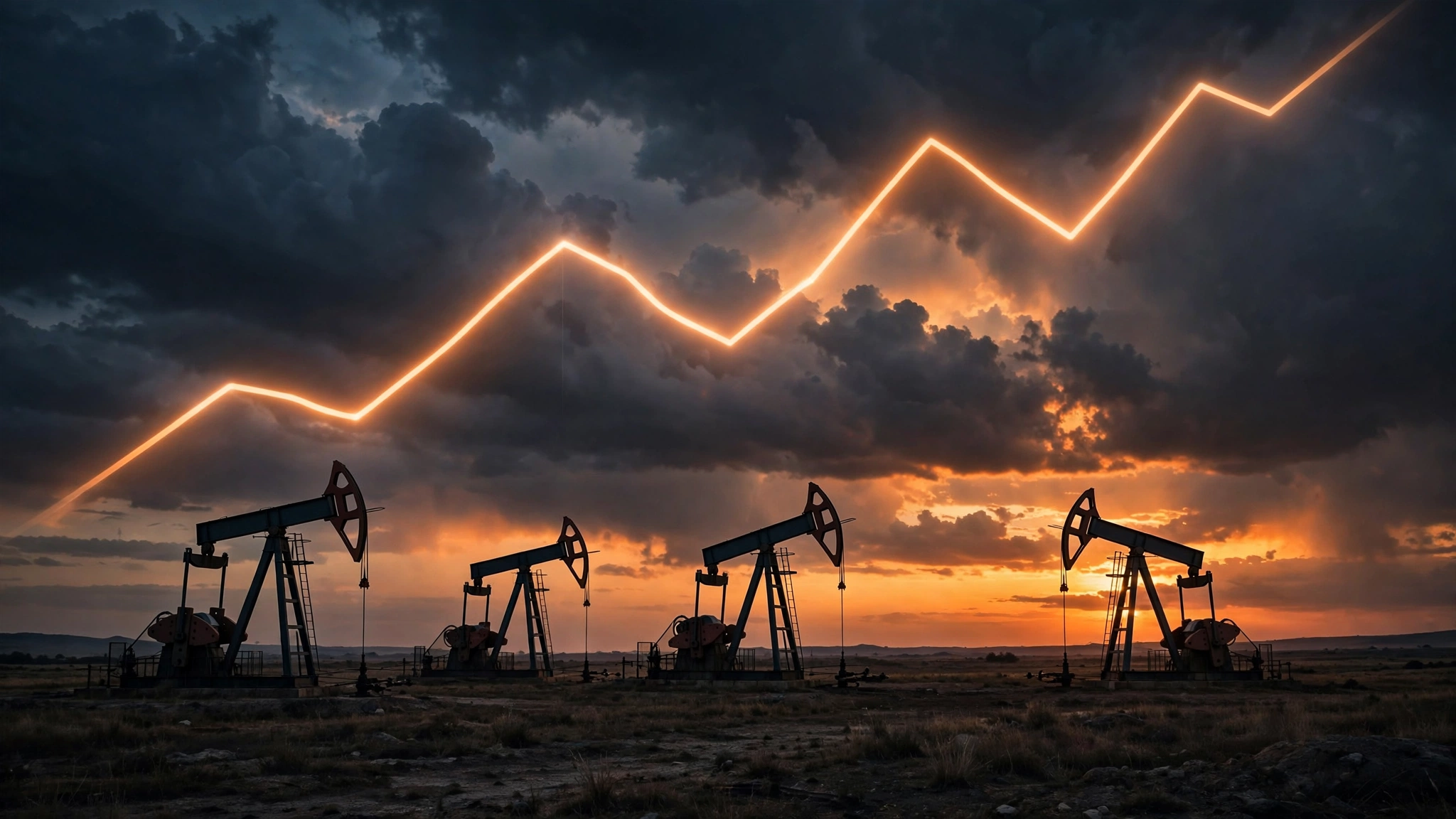
The oil price today has smashed through $114 a barrel to a five-month high, and Wall Street is feeling the heat. In Friday trading, the Dow Jones Industrial Average shed more than 500 points as reports emerged that the United States and Israel are drawing up plans for possible strikes on Iran, raising fears of a wider Middle East conflict that could choke global oil supplies.
The international benchmark Brent crude topped $114 a barrel, trading at levels not seen since May, while US benchmark West Texas Intermediate pushed above $100 a barrel. For drivers and businesses everywhere, numbers like these usually mean one thing: more expensive fuel in the coming weeks.
Table of Contents
Oil Price Today: What Triggered the Market Jitters?
The spark was a Wall Street Journal report that Washington is preparing options for military action against Iran and moving more forces towards the region, with any strikes thought to be planned for after the US midterm elections on 3 November. The regional conflict, which began in late February, has kept traders on edge for months — but concrete strike planning is a new level of worry.
Tehran struck a defiant tone. Iran’s foreign minister, Abbas Araghchi, said his country is “just as prepared for diplomacy as we are for war.” President Donald Trump, meanwhile, accused Iran of trying to manipulate the oil market.
The fear running through trading floors is geography. The Strait of Hormuz, the narrow waterway at the mouth of the Gulf, carries roughly a fifth of the world’s oil. Any disruption there — or strikes on energy infrastructure in the region — would send prices far higher than Friday’s spike.
Stocks Slide, Safe Havens Rise
Equities took the strain on Friday. The Dow fell about 1.1 per cent, the S&P 500 lost around half a per cent and the tech-heavy Nasdaq slipped as well, extending a brutal week for technology shares. On Thursday, the Nasdaq had already plunged 2.6 per cent — its worst session since June — as investors fretted about the cost of the artificial intelligence boom.
Bond markets told the same nervous story, with the yield on the 10-year US Treasury hovering around 4.97 per cent as investors hunted for safety.
What Happens Next?
Analysts say oil’s direction now depends less on supply and demand than on headlines out of Washington, Tel Aviv and Tehran. If the strike reports fade, prices could quickly hand back some of their gains. If the rhetoric hardens, $114 may not be the ceiling.
Either way, the message from Friday’s markets was loud and clear: the world’s most important commodity is once again being priced by geopolitics — and everyone who buys petrol, diesel or plane tickets will feel it.
What the oil price today means in plain terms: Brent crude, the international benchmark, topped $114 a barrel for the first time since May, while US benchmark West Texas Intermediate pushed above $100. The trigger was a Wall Street Journal report that Washington is preparing options for military action against Iran, with strikes thought to be planned for after the US midterm elections on 3 November.
Markets reacted on both sides of the Atlantic. The Dow fell about 1.1 per cent, the S&P 500 lost around half a per cent and the Nasdaq slipped, while the yield on the 10-year US Treasury hovered around 4.97 per cent as investors hunted for safety. Analysts say oil’s direction now depends less on supply and demand than on headlines from Washington — and on whether the Strait of Hormuz, which carries roughly a fifth of the world’s oil, stays open.
Read More on Roz Khabar: