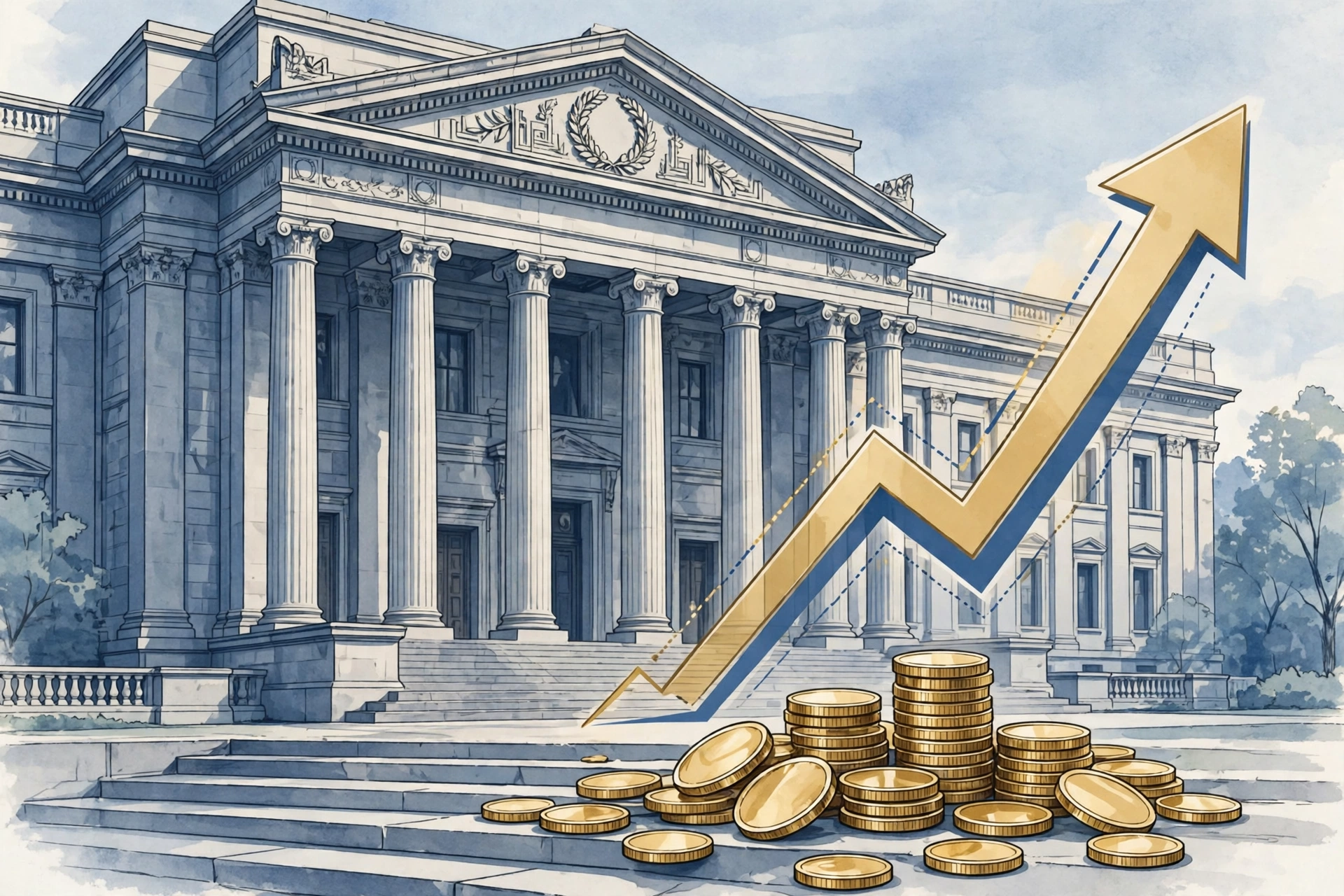











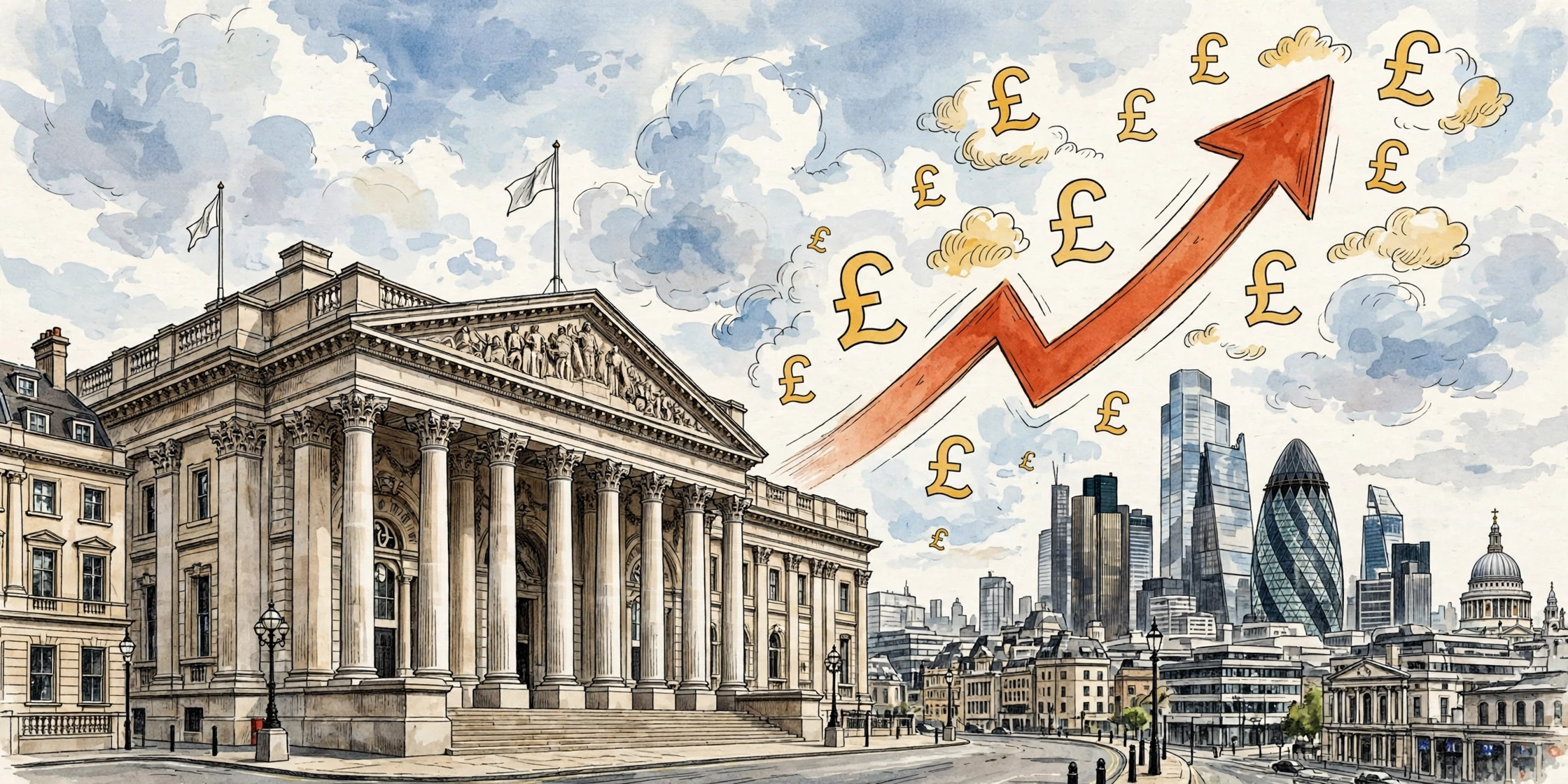
The Bank of England rate rise that markets and economists now expect on Thursday would be a moment of genuine significance for millions of British households, because it would lift Bank Rate from three point seven five per cent to four per cent, the first increase since August 2023, when inflation was still running at more than three times the Bank’s two per cent target. The move, if it comes as predicted, would reverse a long easing cycle and signal that the central bank believes the latest surge in energy prices cannot be waited out.
Table of Contents
What drives the Bank of England rate rise is a familiar but unwelcome pattern, since consumer prices rose three point five per cent in the year to September, well above the Bank’s July forecast of three per cent, and officials fear that a second energy shock, unfolding against the backdrop of a continuing war involving Iran and persistently high global energy prices, could feed into wages and prices in a lasting way. Governor Andrew Bailey has warned publicly that the Bank cannot wait for conclusive proof of those second-round effects, or it will act too late, a phrase that markets have read as a clear signal of intent.
Why the Bank of England Rate Rise Is Expected Now
The case for a Bank of England rate rise has been building for weeks, and a Reuters poll of economists now points to a seven-to-two vote in favour of a hike, with external committee members Alan Taylor and Swati Dhingra seen as the most likely dissenters, preferring to hold rates steady. That split captures a genuine debate inside the Bank, because while inflation has surprised on the upside, growth remains fragile and higher borrowing costs will bite mortgage holders, small businesses and anyone carrying variable-rate debt, making Thursday’s decision a balance between two risks rather than a simple response to one number.
History weighs heavily on the Bank of England rate rise, since the institution was widely criticised last time energy costs surged for underestimating how persistent inflation would prove, and officials are determined not to repeat that error while the world is still absorbing the aftershocks of conflict-driven energy disruption. This time, moreover, the Bank would not be moving first among major central banks, because the United States Federal Reserve and the European Central Bank have already tightened in response to similar pressures, giving Threadneedle Street both company and cover for a move that will still feel uncomfortable at home.
What a Bank of England Rate Rise Means for Households
For ordinary borrowers, the Bank of England rate rise would translate quickly and unevenly, because tracker mortgage holders would see monthly payments climb within weeks, while savers might finally earn a little more on deposits, though banks are rarely as swift to pass on rises to savers as they are to borrowers. Businesses planning investment face a similar squeeze, since a higher Bank Rate raises the cost of loans and overdrafts just as energy bills are already climbing, and economists are split over whether further hikes would follow after November, with financial markets pricing in more tightening next year than the Bank’s own forecasters currently expect.
That tension is precisely why Thursday’s statement matters as much as the Bank of England rate rise itself, because Bailey and his colleagues are expected to push back against market bets on several further increases, arguing that one hike to contain an energy-driven inflation spike is not the same as the start of a long tightening campaign. How firmly they push back will shape mortgage pricing, bond yields and the pound for months, and a statement that sounds too hawkish could tighten financial conditions far beyond a single quarter-point move, while one that sounds too soft could let inflation expectations drift higher.
The Wider Stakes of the Bank of England Rate Rise
Looked at from beyond Britain’s shores, the Bank of England rate rise is part of a global story about central banks learning, sometimes painfully, that inflation does not always fade on its own, and that energy shocks have a habit of returning through wages, transport costs and food prices long after the headlines move on. The Bank’s own experience, criticised in the last cycle and now informing a more pre-emptive stance, mirrors the dilemmas facing policymakers from Washington to Frankfurt, all of whom must decide how much pain to inflict now to avoid greater pain later.
If Thursday brings the Bank of England rate rise that economists expect, it will mark the end of an easing era that lasted more than three years and the beginning of a more uncertain chapter for the British economy, one in which the Bank must prove it can bring inflation back towards two per cent without tipping a fragile recovery into recession. That is the test Bailey set for himself when he said the Bank could not wait for conclusive proof, and on Thursday the markets, households and businesses of Britain will discover whether the Bank of England rate rise was the right call, made at the right moment, or merely the first step in a longer and harder adjustment.