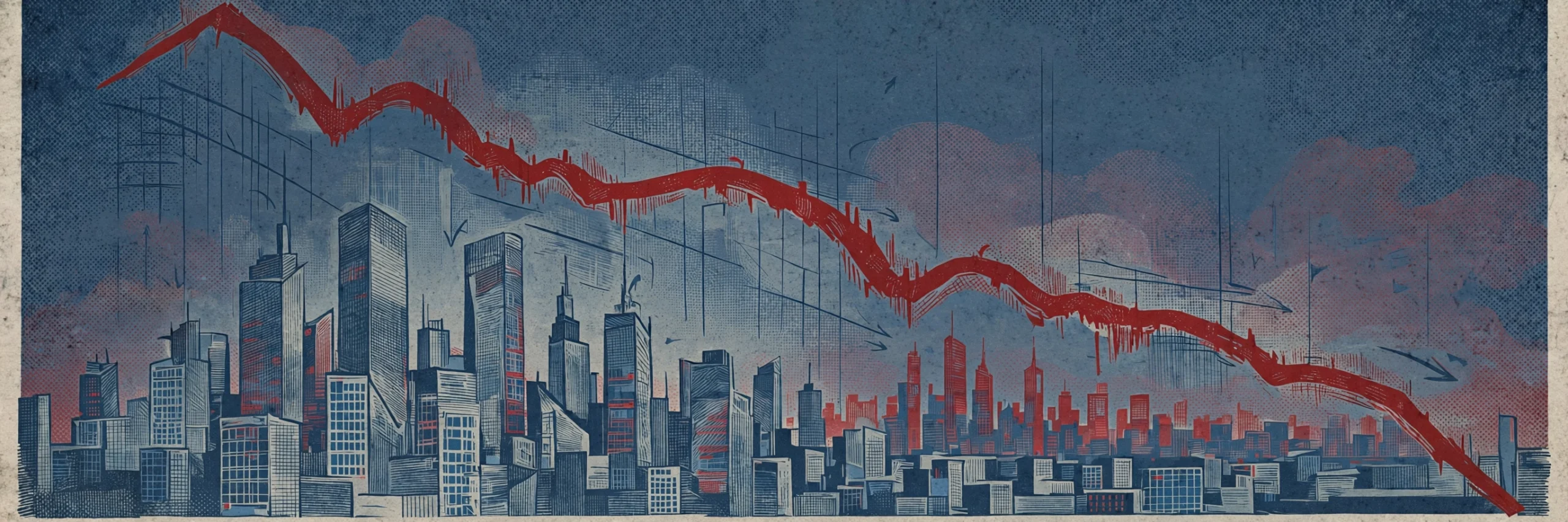











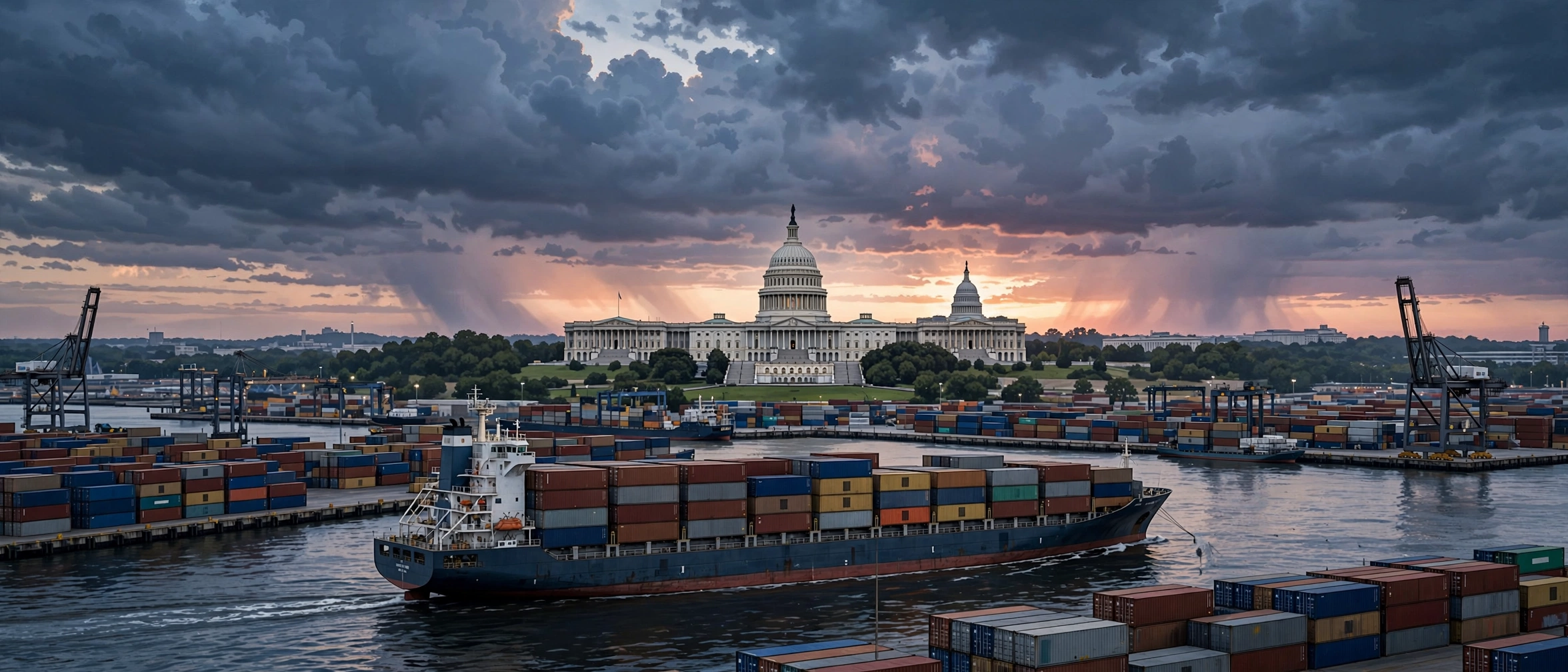
The US Senate tariffs vote that landed on Thursday did not actually lift a single duty at a border post or lower a single price in an American shop, and yet it mattered enormously, because for the third time in a single week a bipartisan majority of senators stood up and voted to strip away the emergency powers behind President Donald Trump’s sweeping global tariffs, turning what had been grumbling from trade-dependent states into the clearest congressional rebuke of the president’s trade policy since the duties were announced in April.
By fifty-one votes to forty-seven, the Senate agreed to terminate the national emergency that Trump declared over what he called a large and persistent trade deficit, the legal foundation on which his administration built a ten percent tariff on imports from all countries plus additional reciprocal duties on the nations Washington accused of the biggest imbalances, and every Democrat in the chamber was joined by four Republicans who have become familiar dissenters on trade, Susan Collins of Maine, Lisa Murkowski of Alaska, and Mitch McConnell and Rand Paul of Kentucky.
Table of Contents
What the US Senate Tariffs Vote Actually Changes
The honest answer to what the US Senate tariffs vote changes right now is almost nothing on the ground, because the House of Representatives has pre-emptively blocked any challenge to the president’s tariff policy through March, which makes the Senate’s resolutions symbolic rather than binding, and even if the House were to pass them, Congress would still need a two-thirds majority to override the presidential veto that would certainly follow, a threshold nobody believes is within reach.
But symbolism in Washington is not the same as irrelevance, and the US Senate tariffs vote landed in a week when the chamber had already passed two other bipartisan resolutions aimed at eliminating duties on goods from Canada and Brazil, a sequence that shows Republican discomfort with the tariff strategy spreading beyond the same four names, driven by manufacturers, farmers and small businesses in trade-dependent states telling their senators that rising import costs are squeezing them from both sides.
Senator Ron Wyden of Oregon, who sponsored the resolution, put the case bluntly on the Senate floor before the US Senate tariffs vote, arguing that American families are being squeezed by prices going up and up and up, a line that captures why the tariff debate has shifted from an argument about trade theory into an argument about grocery bills, and why senators who once deferred to the White House on trade now feel they cannot afford to stay quiet.
The Court Case That Could Decide Everything After the US Senate Tariffs Vote
Running alongside the US Senate tariffs vote is a legal battle that may ultimately matter more than any resolution, because the Supreme Court is due to hear the tariff case on November 5, after two lower courts ruled that the president’s use of emergency powers to impose the duties was unlawful, and the administration has appealed those rulings to the highest court in the land, leaving businesses, importers and foreign governments waiting on nine justices to settle a question Congress has so far only debated.
The stakes of that case are visible in the money already collected, with US Customs and Border Protection reporting roughly eighty-eight billion dollars in tariff revenue through August alone, a sum that shows both how much the duties have raised and how much they have cost American importers, who in most cases pass those costs down the chain until they land, quietly, in the price of everything from electronics to clothing.
For America’s trading partners, the US Senate tariffs vote is a signal to watch rather than a reason to celebrate, because the duties remain in place, the House block runs until March, and the White House has shown no sign of retreating, yet the sight of senators from the president’s own party voting to end the emergency three times in one week tells foreign capitals that the political foundations of the tariff regime are cracking, even if the edifice still stands.
Why Congress Is Reclaiming Trade Power
Step back from the vote count and the US Senate tariffs vote looks like something bigger than a trade dispute, because it is really a fight over who gets to decide American economic policy, with senators arguing that tariff powers granted to the president for genuine emergencies were never meant to be stretched into a permanent, worldwide system of duties imposed by executive order, and that Congress, which the Constitution gives authority over trade, has a duty to take that power back.
Whether that argument wins in the courts, in the House, or at the ballot box in Tuesday’s midterm elections remains an open question, but the direction of travel is now unmistakable, with a bipartisan Senate majority, a pending Supreme Court hearing, and voters ranking affordability among their top concerns all pointing the same way, and the administration’s tariff strategy, once presented as unshakeable, now faces challenges on every front at once. Whatever happens next, the US Senate tariffs vote has already changed the terms of that debate.
Read More on Roz Khabar:
- Fed Interest Rate Decision: Federal Reserve Holds Rates at 3.75-4% in Tense 10-2 Vote
- Alphabet Stock Drop: Google Parent Loses $500 Billion in Worst Day Ever
- Business category archive
For the Global Times report on the vote, see the Global Times coverage of the US Senate tariffs vote.